Architect
products & services
fountain ● paving-stones ● slabs
Location
Sandparkplatz am Schlossring / Ecke Hansestraße, 21423 Winsen (Luhe)
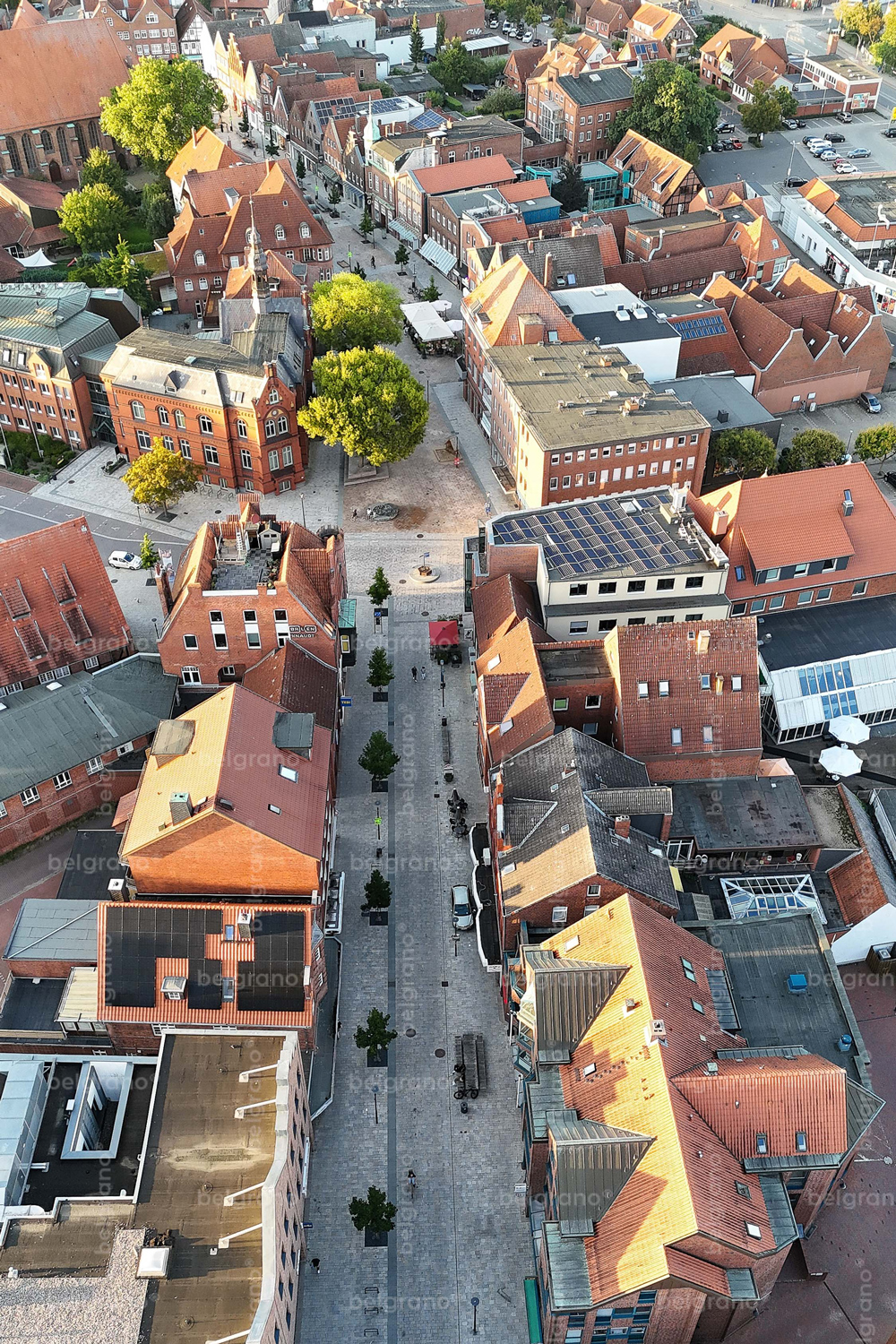
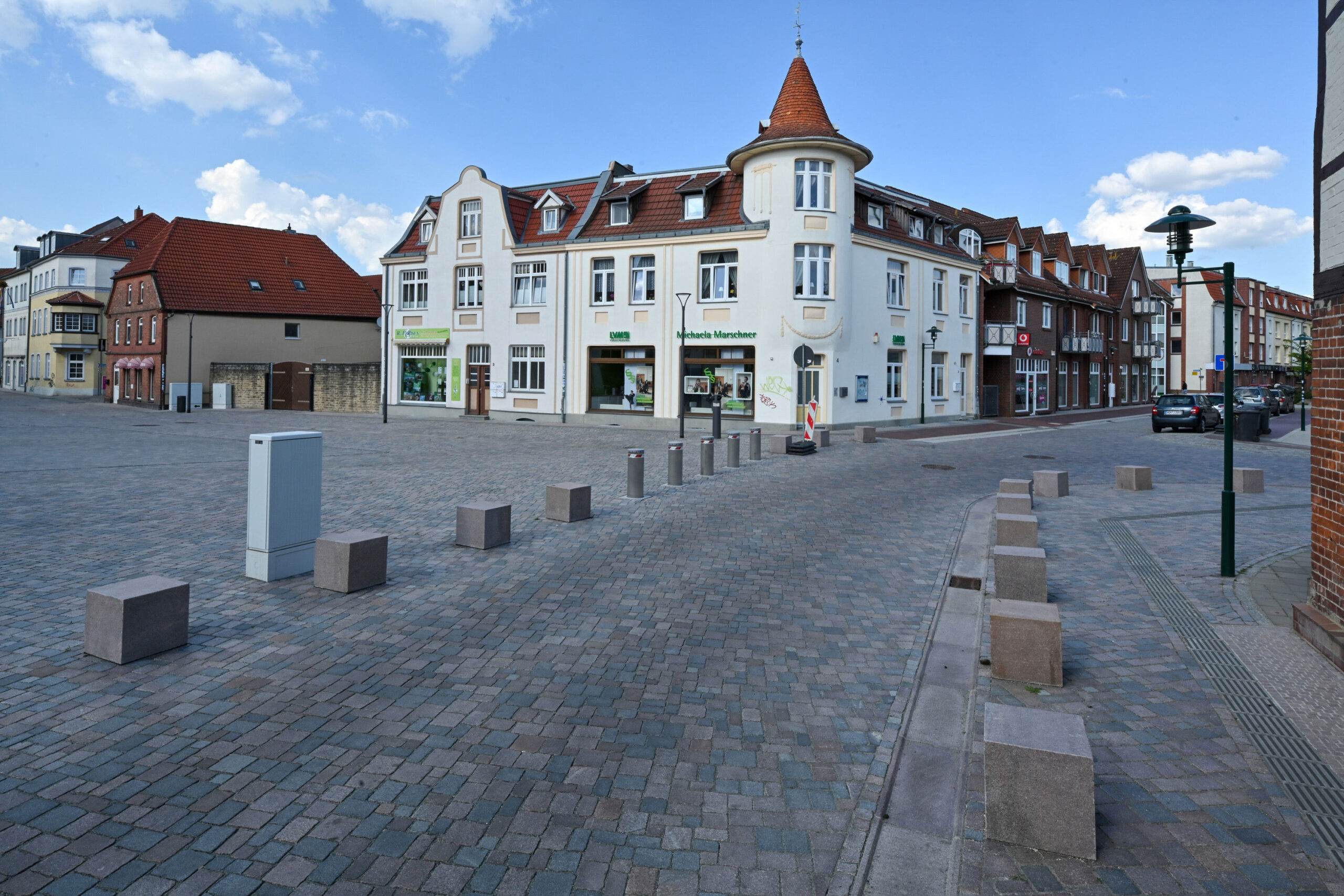
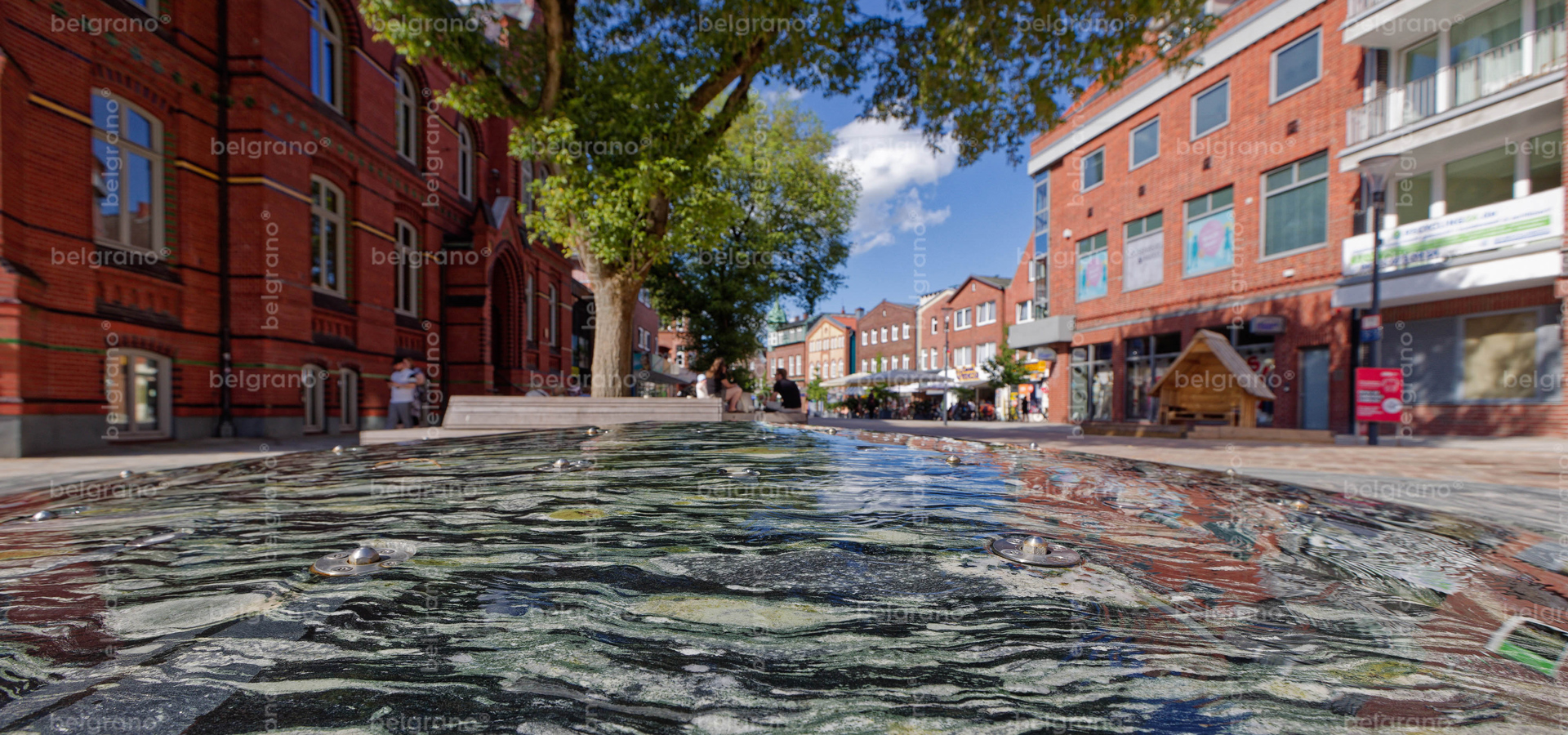
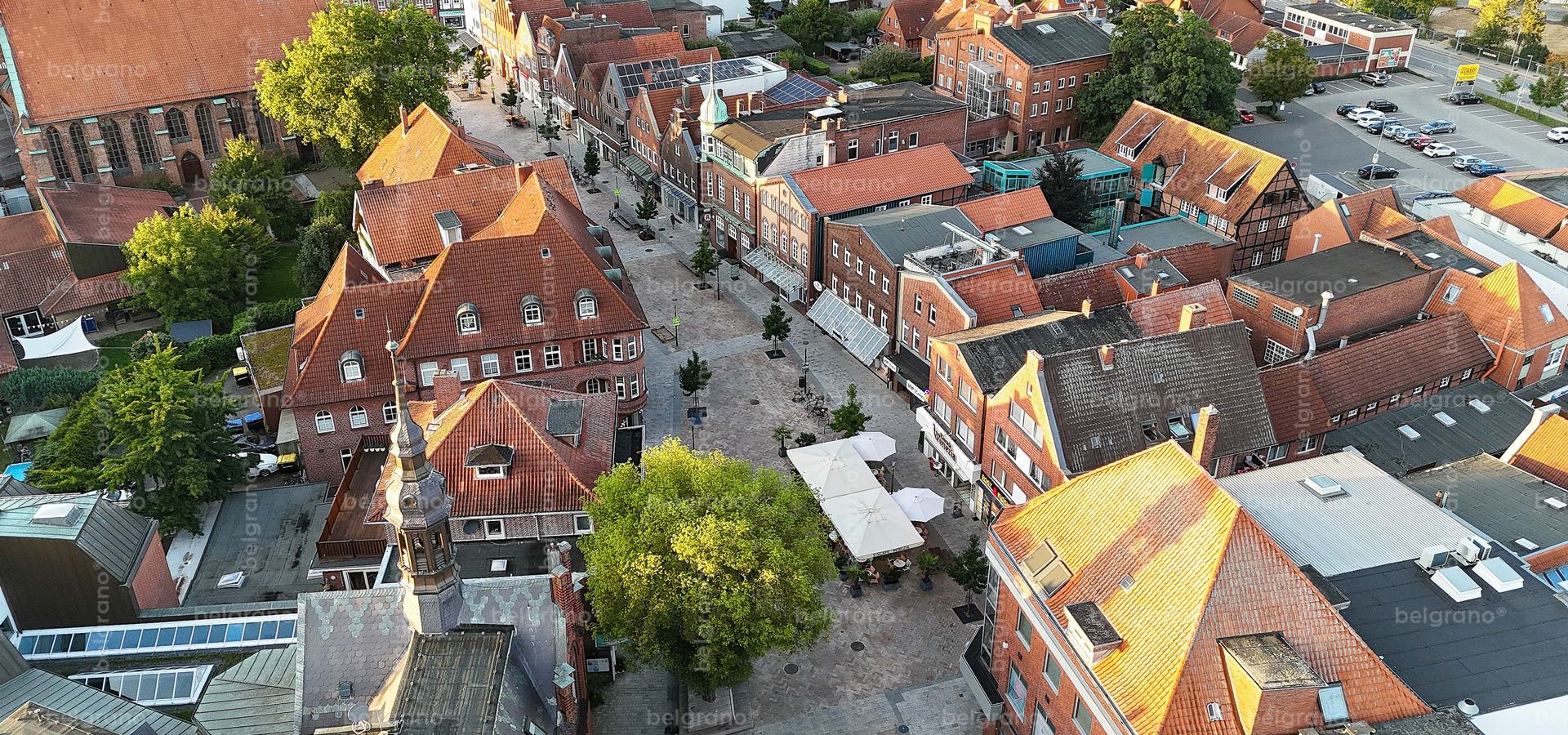
Winsen an der Luhe combines historical identity with modern urbanity. The design by capattistaubach urbane landschaften follows a holistic approach: the sequences of Rathaus-, Eckermann-, Nordertor-, Markt-, and Deichstraße are no longer seen as isolated sections but as an integrated urban continuum.
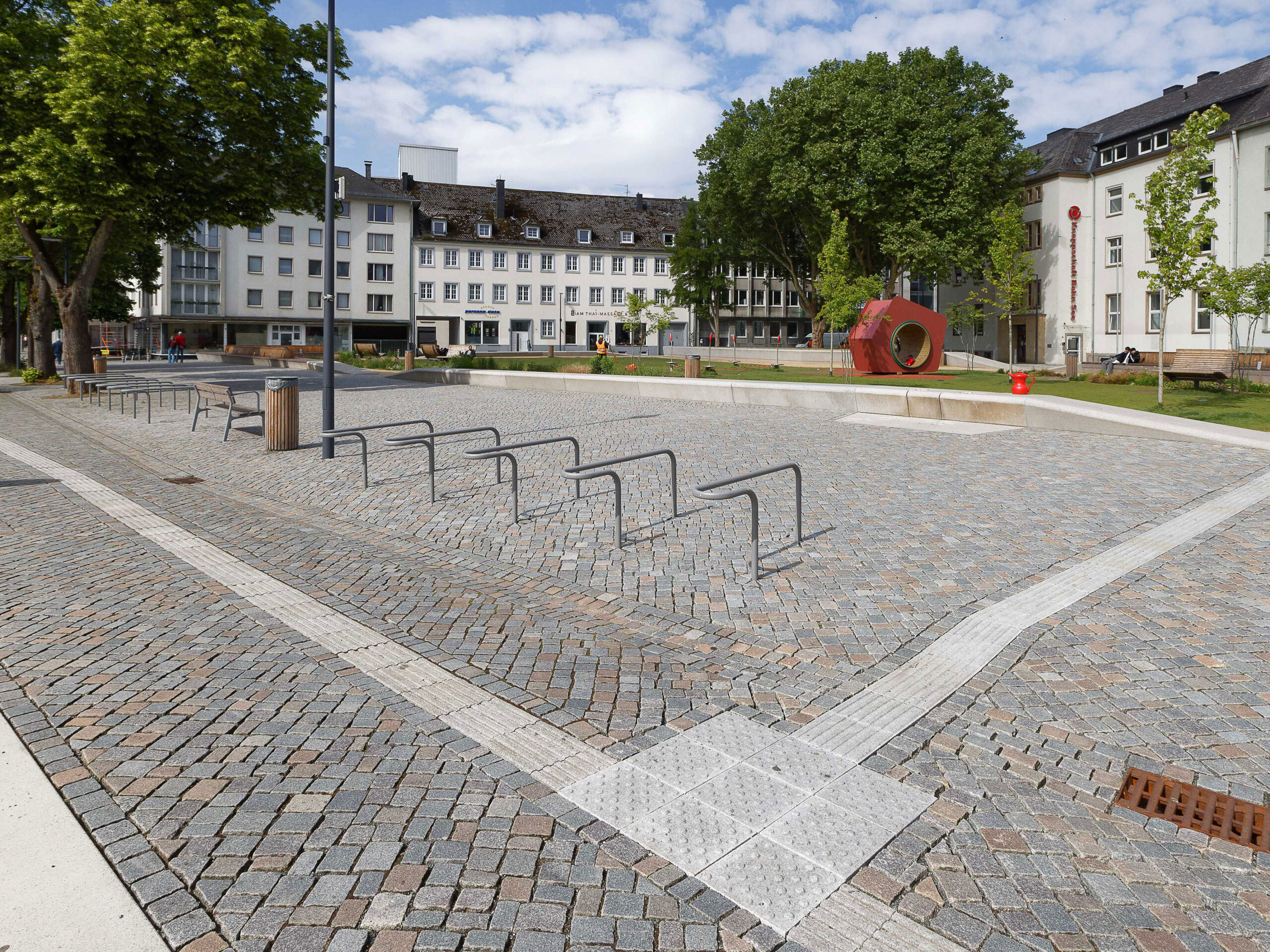
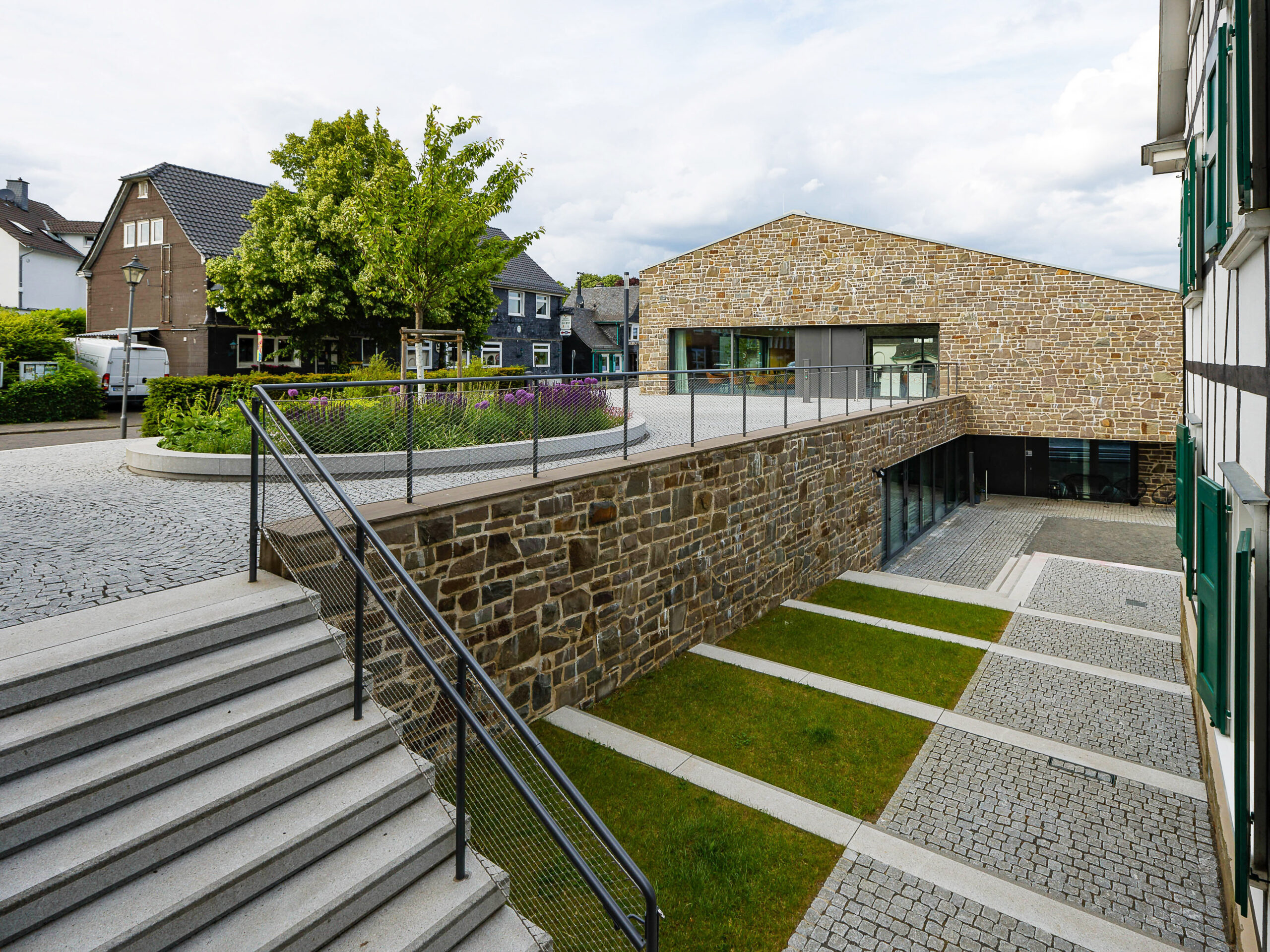
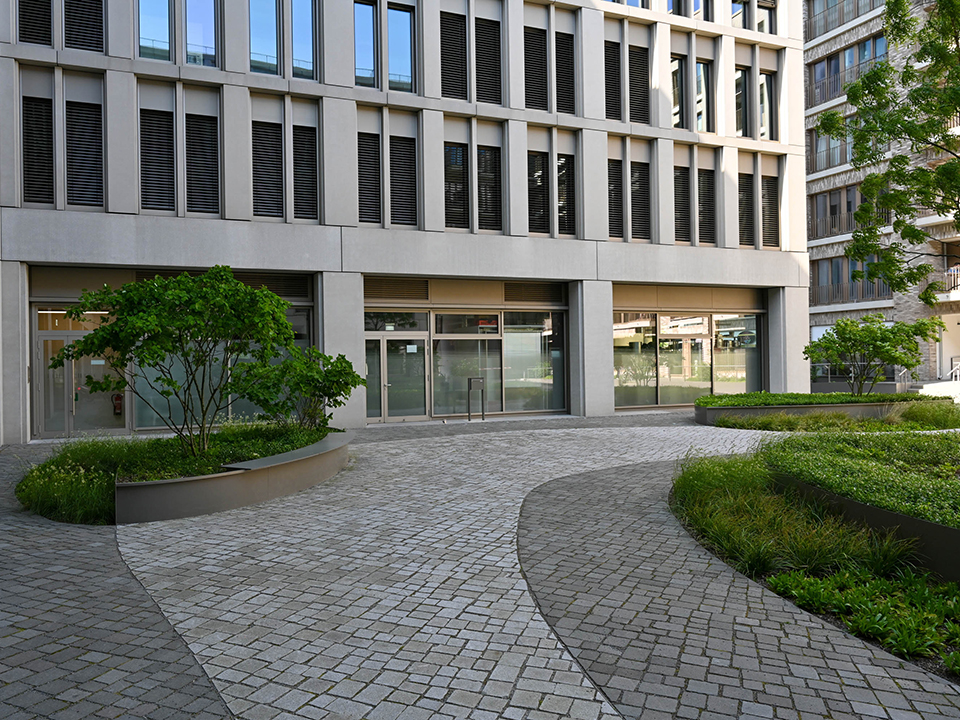
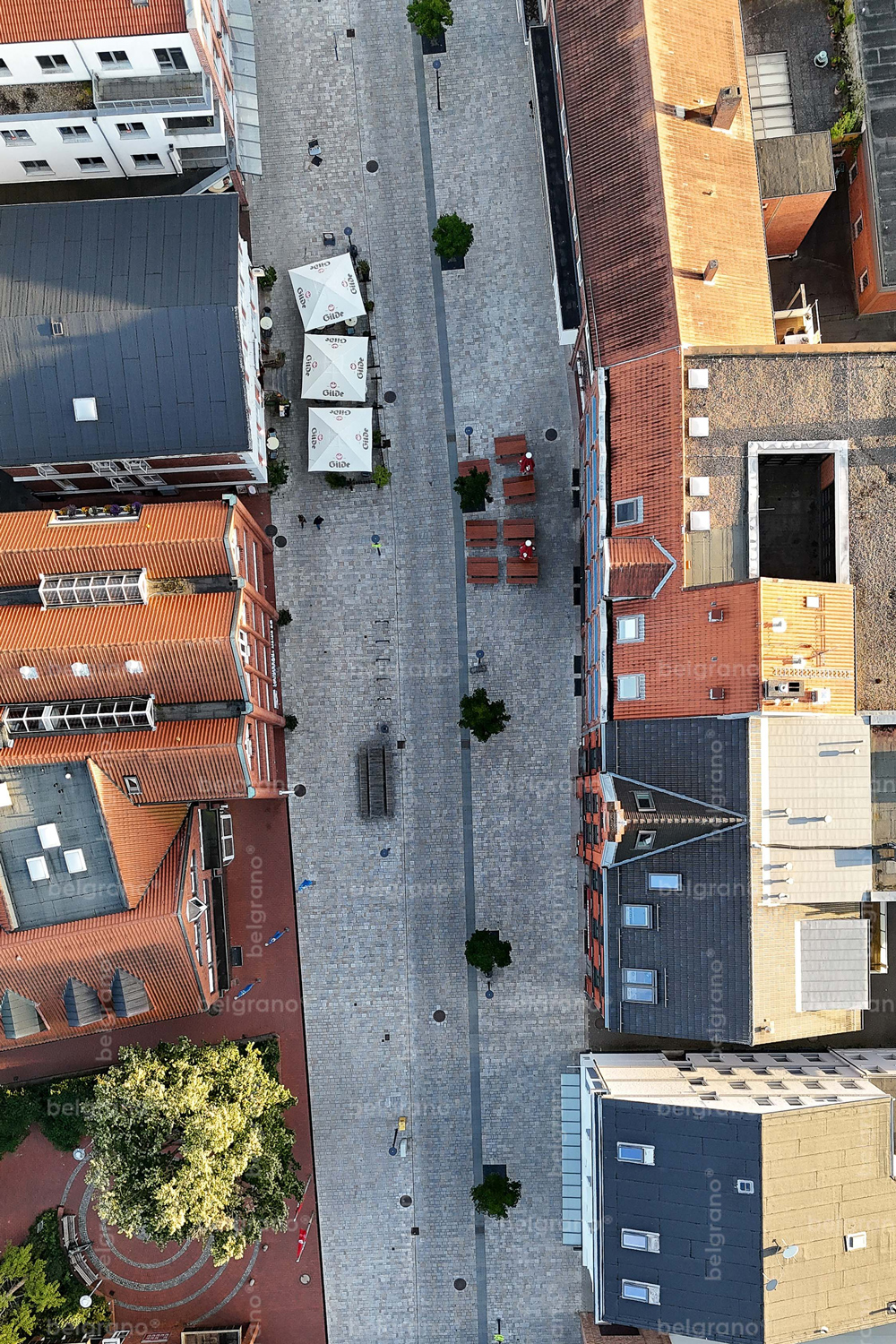
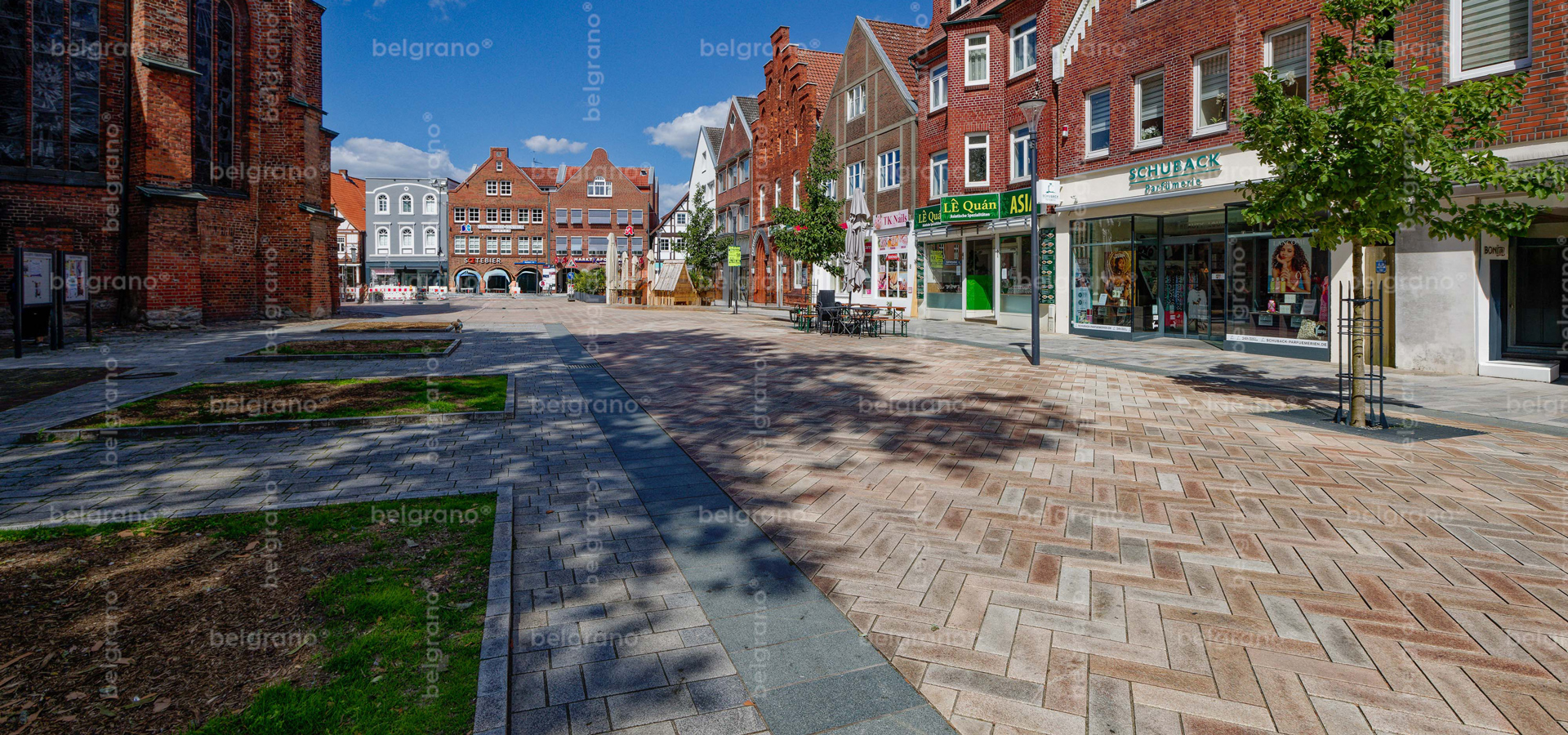
The connecting element is a continuous city-floor concept made of natural stone. A consistent, light design language weaves the formerly fragmented areas together. An intelligent zoning was chosen: while the formats in pedestrian areas invite lingering, they effortlessly withstand heavy delivery traffic in drivable zones.
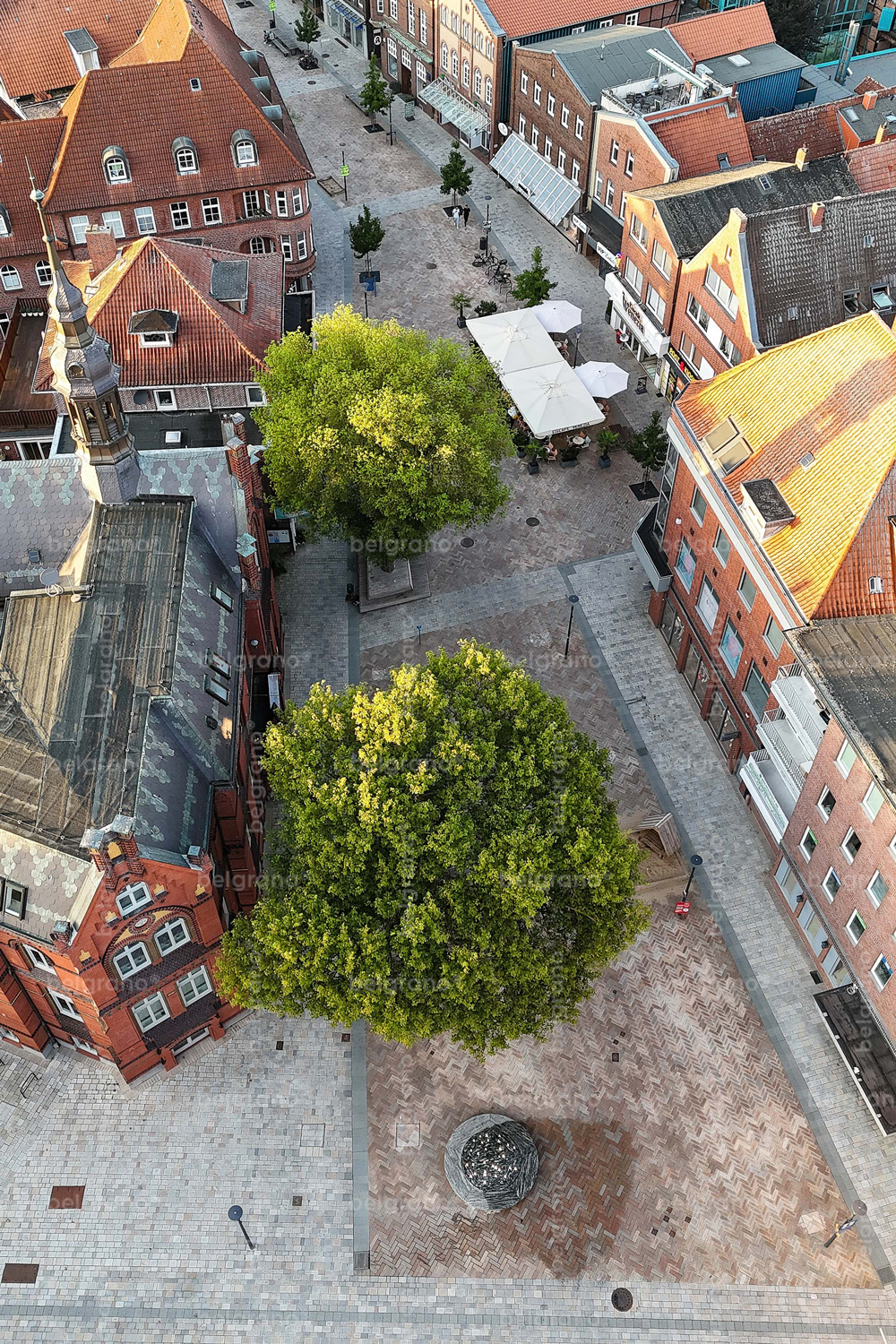
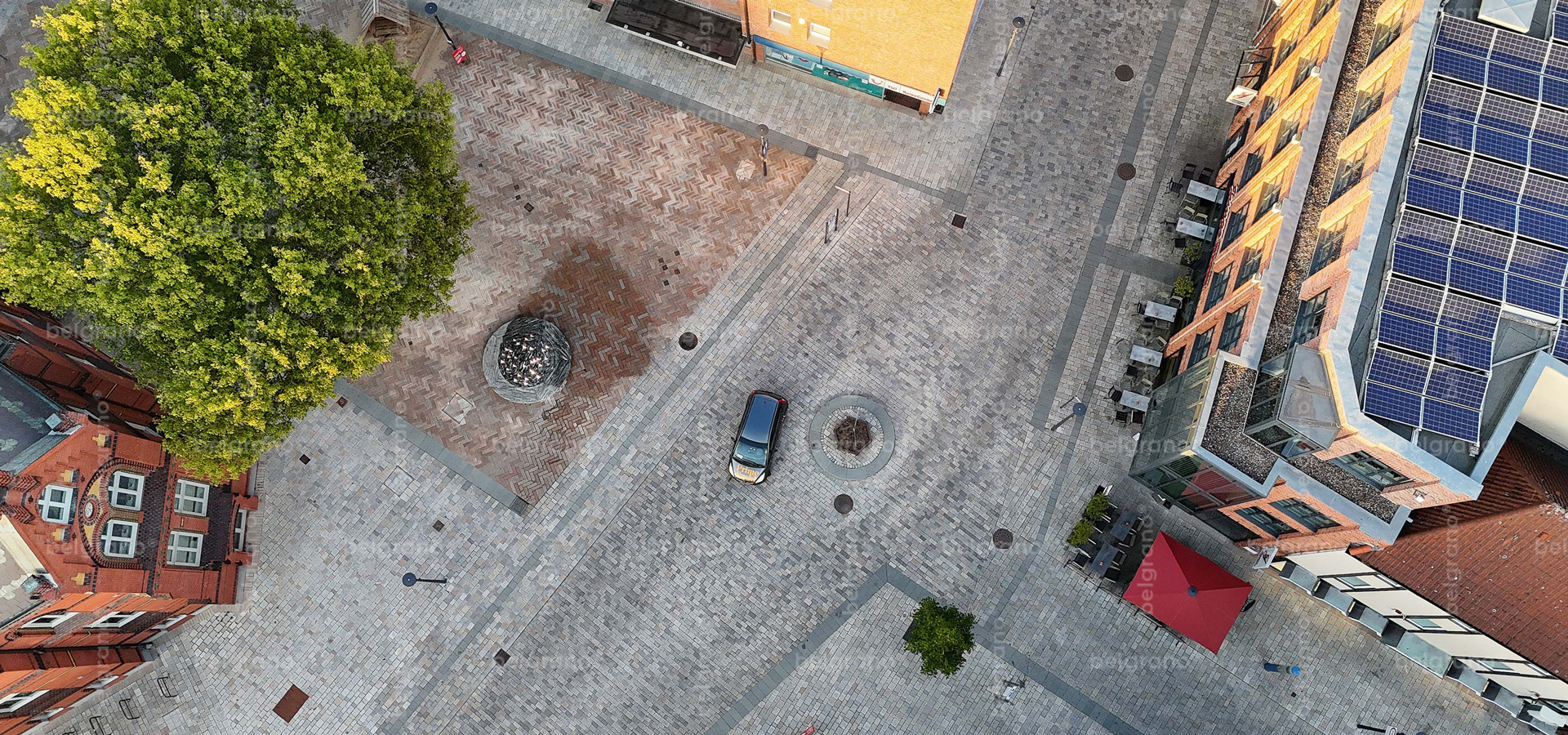
The design centerpiece is the visual connection of the urban poles through a classic herringbone paving pattern. In architecture, this is often referred to as a “stone carpet”: the zig-zag weave softens the hard appearance of the ground. Instead, a structured surface is created that unites the historic buildings like an elegant flooring.
This choice was not only aesthetic but also technically clever: the herringbone pattern is considered one of the most stable paving concepts, as the stones support each other diagonally and optimally withstand the shear forces of emergency vehicles and market suppliers. To ensure this “carpet” remains seamless, BESCO delivered a coordinated system: even the drainage channels were precisely crafted from belgrano® natural stone and integrated flawlessly.
A project of this size in a historic core often feels like a journey through time – with all its challenges. Especially at Kirchplatz, the team encountered finds that disrupted every schedule: medieval bones and old town hall walls temporarily halted the work. In the midst of this archaeological exception, maximum flexibility was required.
It demonstrates the competence of the entire team that the vision of a modern town center was implemented without compromising quality. While BESCO handled the logistical Herculean task in the background, precisely coordinating the custom granite slabs with the construction phases shifted by the excavations, the firm Wiese & Suhr ensured an artisanally excellent installation on site.
After careful consideration, the decision was consciously made against clinker and in favor of light belgrano® natural stone. The reason is as simple as it is convincing: longevity across generations. While conventional pavements often need to be replaced after just a few decades, the new Winsen town center is designed as a functional foundation with a lifespan of 80 to 100 years.
Additionally, the light-colored stones support the city’s climate adaptation strategy. Because the surfaces reflect a large portion of solar radiation (instead of absorbing it like dark pavements), they heat up significantly less (albedo effect). This prevents the formation of summer “heat islands” and contributes to a noticeably cooler urban climate.
In times of increasing heat waves, Winsen relies on a strategy that combines “blue” (water) and “green” (plants) design:
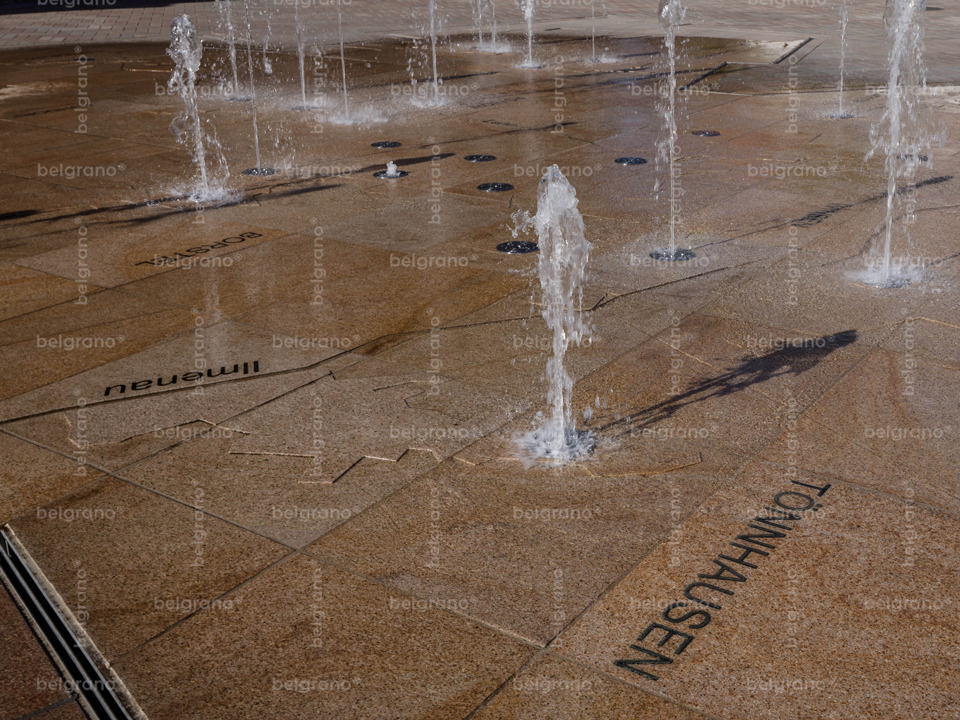
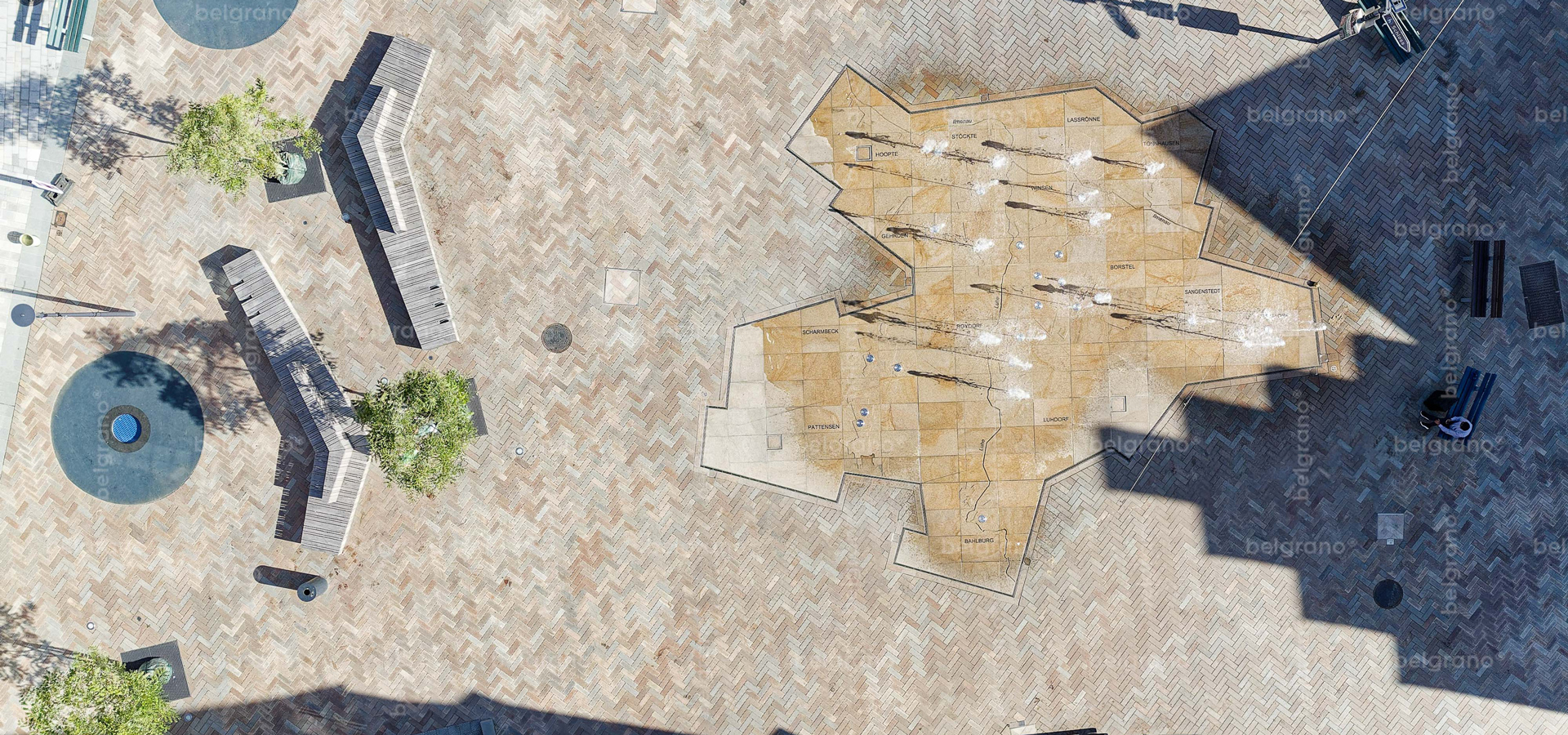
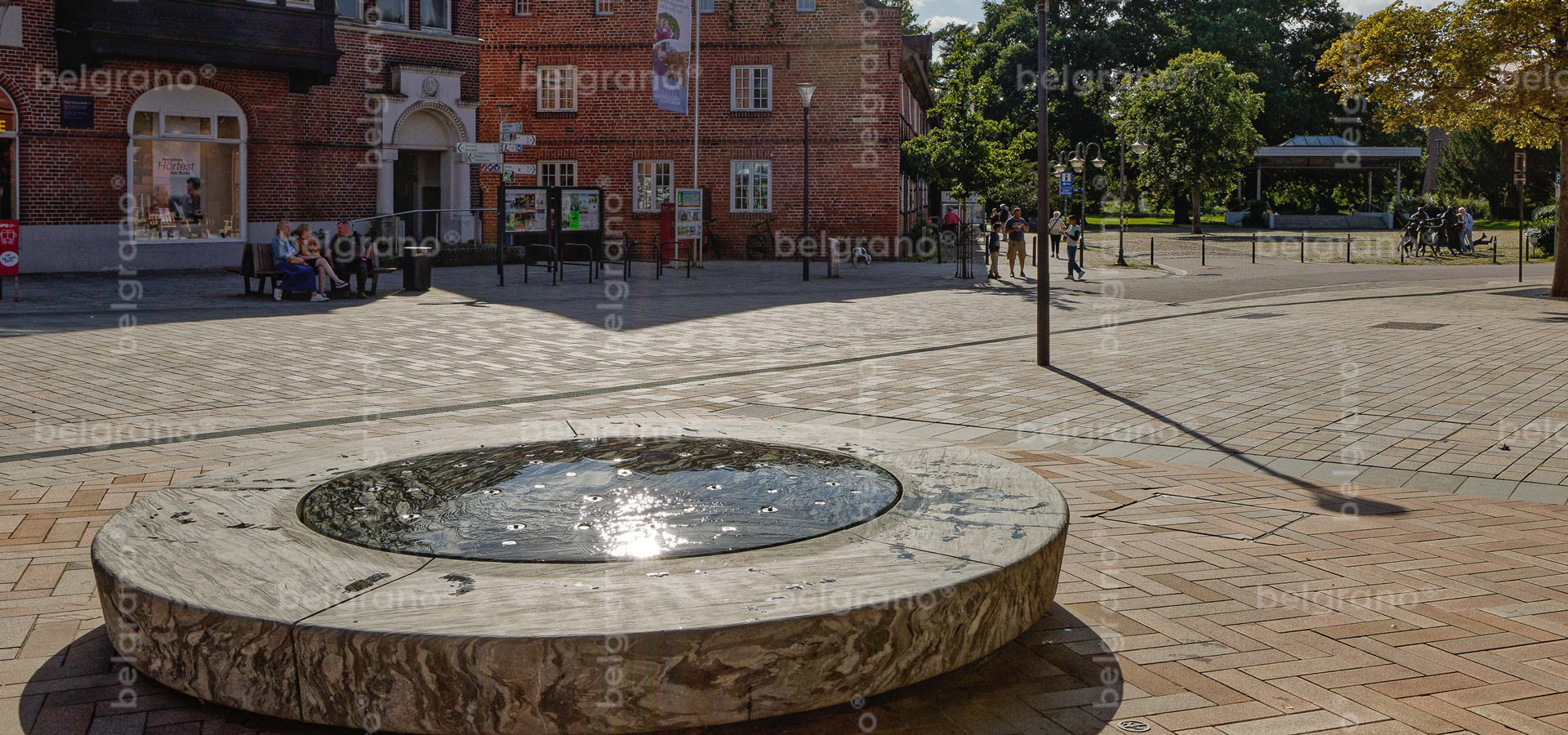
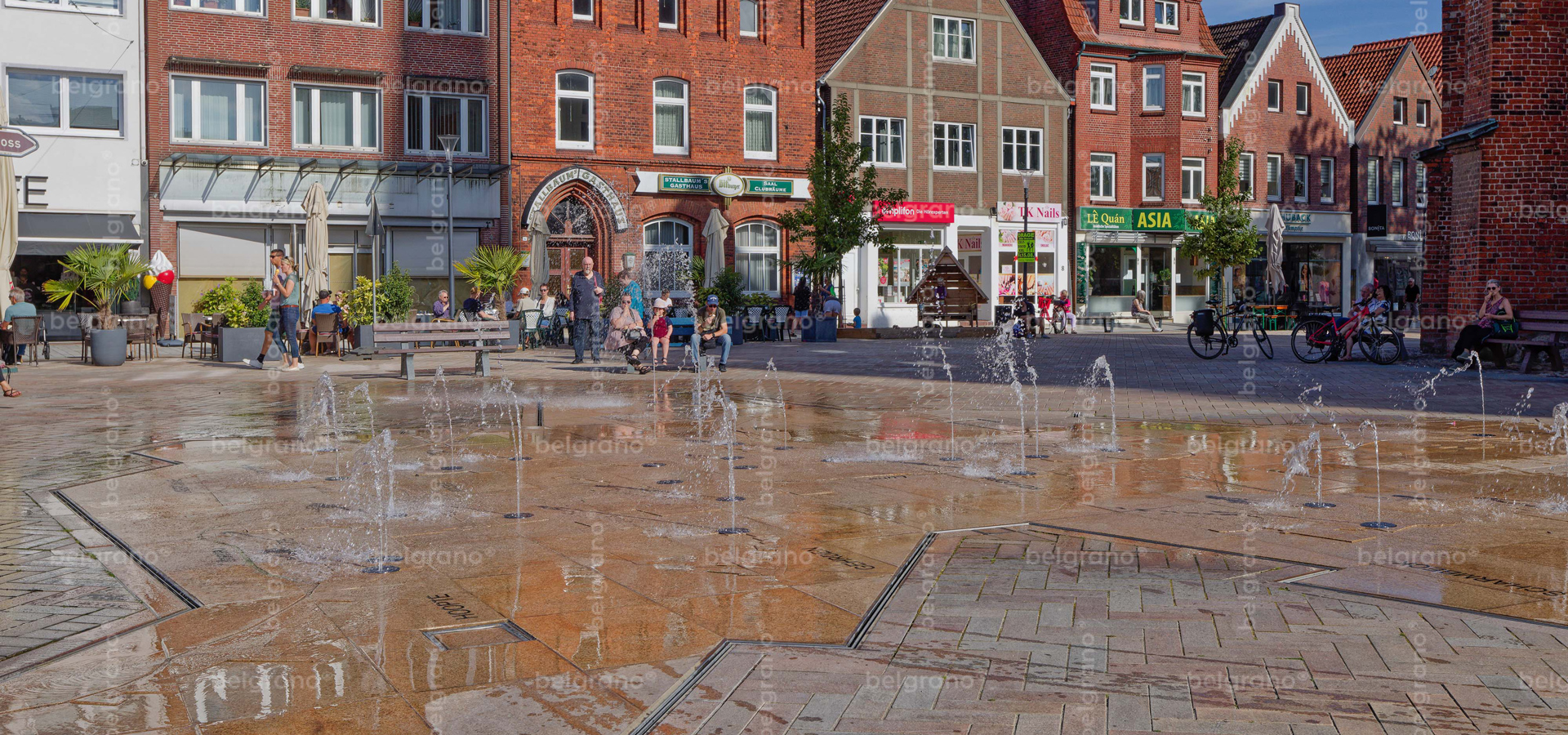
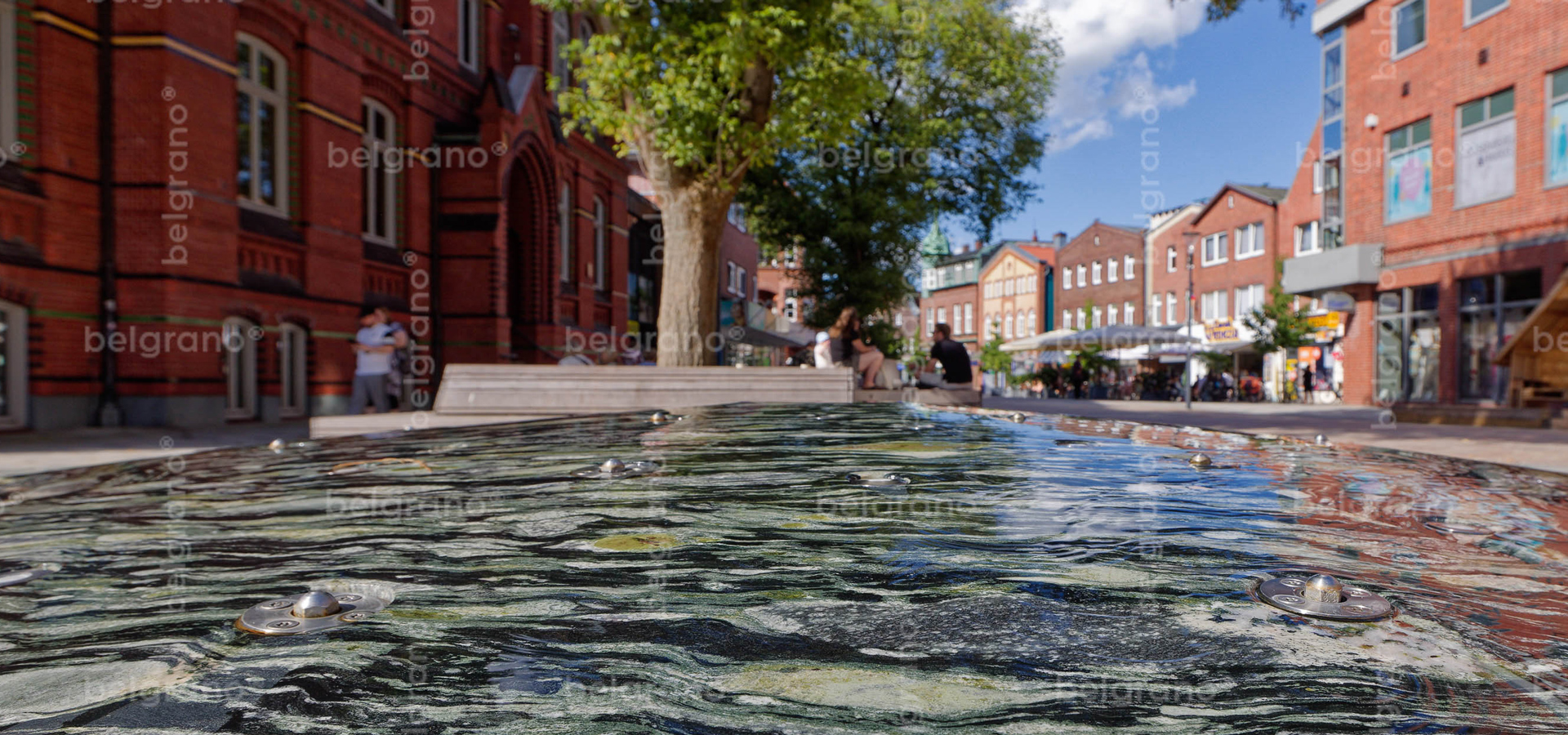
The “blue” concept (cooling through water): BESCO supplied the components for two prominent water features: a circular misting element at the town hall and a water feature at Kirchplatz with 29 fountains. These provide evaporative cooling and noticeably improve the microclimate.
The “green” concept (cooling through shade): The number of trees was significantly increased. Combined with wooden decks made of local oak and larch, this creates a high-quality public space – entirely without tropical wood.
The final implementation demonstrates that aesthetics and technical durability go hand in hand. Today, the new town center presents itself as the vibrant backbone of a functioning city. In keeping with the “Design for All” principle, a space was created that is accessible to all generations.
What was achieved in Winsen is a true team effort. It shows how high-quality materials and bold planning combine to create a place that not only impresses today but will serve as a functional foundation for the next 80 to 100 years.
Find out more about the use and range of applications of natural stone.
Pedestrian zones & city squares